Columbus, GA · Phenix City, AL · Surrounding Areas
Novum, Benton Block, and Redi-Rock segmental walls, plus natural boulder walls. Proper base, #57 stone backfill, and a French drain behind every wall we build.
Two Systems. One Standard.
Both wall types get the same thorough foundation — proper excavation, compacted rock base, drainage aggregate, French drain pipe, and correctly installed backfill. The difference is the face material and application.
What Makes or Breaks a Wall
The number one reason retaining walls fail — whether block or boulder — is water pressure building up behind the wall. Water saturates the soil, turns clay into a slippery mess, and generates hydrostatic pressure that pushes the wall forward, tilts it, or blows it out entirely.
We install a French drain system behind every retaining wall we build. Perforated pipe at the base of the wall collects water before it can saturate the soil. The entire area behind the wall is backfilled with clean #57 angular stone — not native soil — so water moves freely to the drain rather than building pressure. Geotextile fabric separates the stone from the native soil and keeps the drain system from clogging for decades.
How We Build It
The foundation sets everything. We don't rush prep — a wall built on a solid, level, properly drained base will still be standing in 30 years.
Site Assessment
We walk the site, assess soil type, measure the slope, identify water flow patterns, and determine wall height, length, and drainage discharge path. For taller walls, we discuss engineering requirements.
Excavation & Base Prep
We excavate the trench to the correct depth — typically 6–12" below finished grade for the base course. The trench is wider than the block or boulder, and we allow for the drainage zone behind the wall.
Compacted Rock Base
A 6-inch layer of compacted crusher run or processed gravel is placed and compacted at the base. This is the foundation — it must be level, both side-to-side and front-to-back. We take our time here.
Base Course Placement
For block walls, the first course is partially buried — approximately 1 inch per foot of exposed wall height, per manufacturer spec. For boulder walls, the largest stones go in first, set deep and level in the base aggregate.
French Drain Installation
Perforated pipe wrapped in filter sock is laid at the base of the wall behind the first course. The pipe slopes to the discharge point. This is installed before any backfill goes in — not as an afterthought.
#57 Stone Backfill
Clean #57 angular stone is placed directly behind the wall, at minimum 12 inches deep for the full height of the wall. This permeable zone lets water flow freely to the drain pipe below rather than saturating the native soil behind.
Course-by-Course Build
For block walls, each course is set back and locked per the manufacturer spec (pins for Novum and Benton Block; deadman/interlock for Redi-Rock). Drainage stone is added behind each course as the wall rises. For boulder walls, each stone is placed with deliberate overlap and backward lean.
Geotextile & Native Backfill
Geotextile fabric caps the drainage stone, preventing fine-grained native soil from migrating into the stone and clogging the drain over time. Native fill or topsoil is then placed and compacted behind the fabric in 8-inch lifts.
Our Approach
We build gravity-based segmental block walls (Novum, Benton Block, Redi-Rock), Rosetta decorative stone systems (Kodah, Grand Ledge), and natural boulder walls — all systems that rely on mass, interlock, and proper drainage rather than poured concrete and rebar. For the vast majority of residential retaining wall applications, these systems are more than adequate and often preferred. If you have a situation that genuinely requires a poured concrete stem wall with rebar reinforcement, we'll tell you honestly and point you to the right contractor.
Our Block Systems
We work with multiple proven block systems so we can match the right product to each project. Novum gives a clean, modern face with excellent structural performance. Benton Block has a rough-split natural texture that blends well into wooded and rural settings. Redi-Rock uses massive concrete blocks ideal for taller walls, commercial applications, or anywhere you need serious mass. For projects where aesthetics are the priority, Rosetta Kodah and Rosetta Grand Ledge deliver high-end manufactured stone finishes that look like natural cut stone but install with consistent geometry and engineered backing.
The system works especially well in Georgia's climate because the absence of mortar means no cracking from freeze-thaw cycles, ground movement, or seasonal expansion. The wall can shift slightly with the ground without compromising structural integrity.
Boulder Walls
Boulder walls work on the same principle as any gravity retaining wall — mass and geometry resist the pressure of the soil behind them. The key is placement: largest boulders at the base, each stone set with a slight backward lean (batter), and deliberate overlap so joints never align between courses.
We use heavy equipment to set boulders properly — this isn't a job for a skid steer loader and a shovel. The stones weigh hundreds to thousands of pounds, and placement precision directly affects the wall's long-term stability. Every boulder gets drainage stone behind it the same as our block walls.
Common Applications
Yard Slope Retention
Hold back hillsides and sloped yards to create usable flat areas, terraced garden beds, or level lawn space. A wall with proper drainage stops erosion for good.
Driveway Cut Walls
Where a driveway cuts through a hillside, a retaining wall on one or both sides holds the cut face, prevents slumping, and gives a clean finished edge.
Foundation Protection
A retaining wall with French drain uphill from a foundation redirects water before it reaches the structure — protecting basements, crawl spaces, and slabs.
Terraced Landscaping
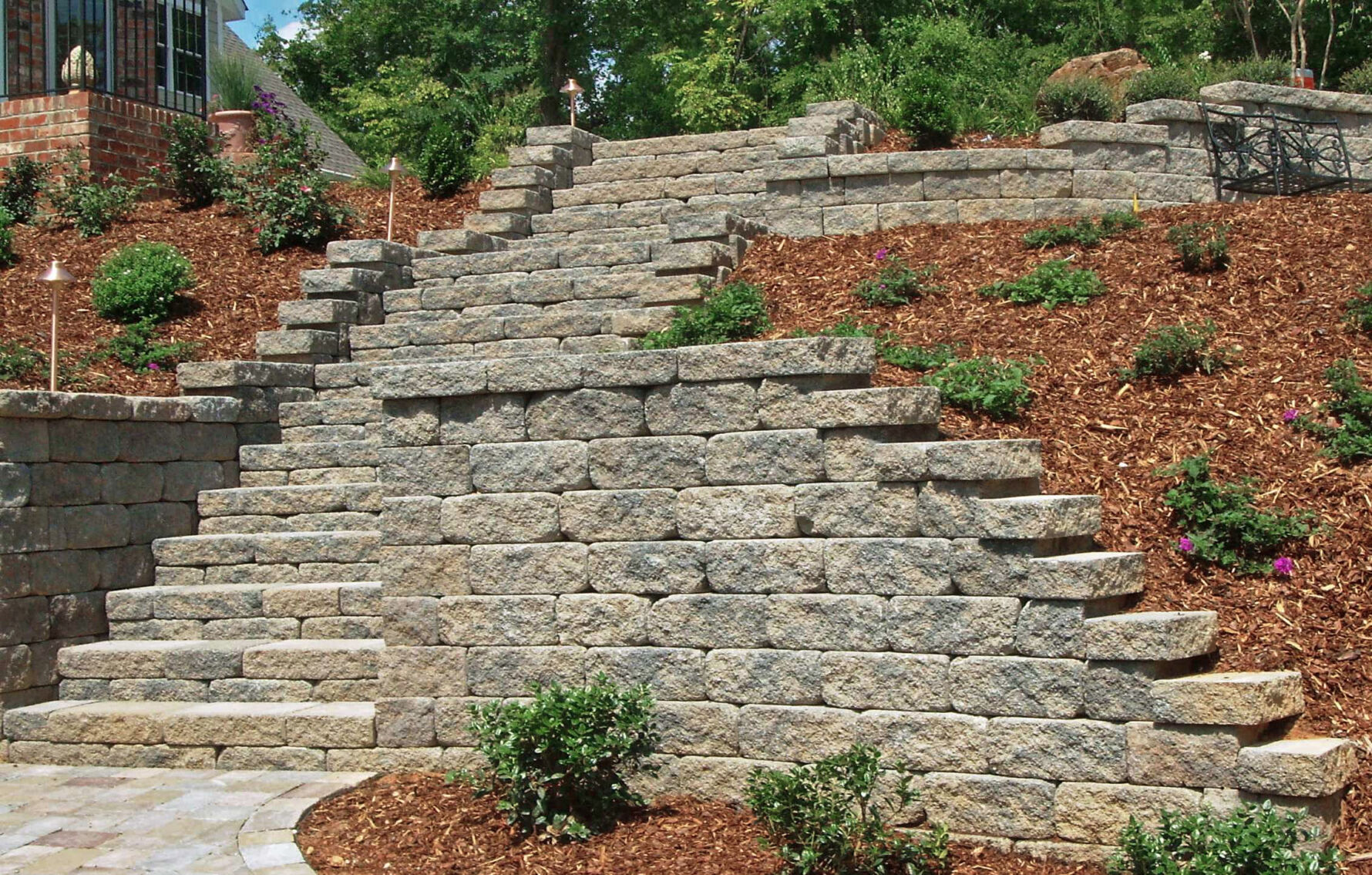
Multiple walls create flat terraced levels on steep slopes — garden beds, lawn areas, outdoor living spaces. Block walls give a clean look; boulder walls give a natural feel.
Erosion Control Walls
Stop active erosion on steep slopes, gully edges, and stream banks. A combination of wall, drainage stone, and hydroseeding above the wall provides lasting stabilization.
Property Boundary Walls
Define property edges, separate grade changes between neighboring lots, or create visual separation along fence lines with either block or boulder walls.
Wall Height & Permits
Retaining walls over 4 feet tall typically require engineering drawings and building permits in Georgia and Alabama. Most segmental block systems (Novum, Benton Block, Redi-Rock) are rated to around 3–4 feet unreinforced — taller walls need geogrid and a P.E. design. We'll clarify what's required before any work starts. Boulder walls can sometimes go higher without engineering in rural unincorporated areas, but local rules vary — we always verify first.
Pairing With Other Services
Most retaining wall projects work best when combined with other services. Grading above the wall ensures water flows away from the wall face. Hydroseeding above and around the wall stabilizes disturbed soil and prevents runoff from washing over the wall. We do all of it — you deal with one contractor, one estimate, and one job.
Photo Gallery
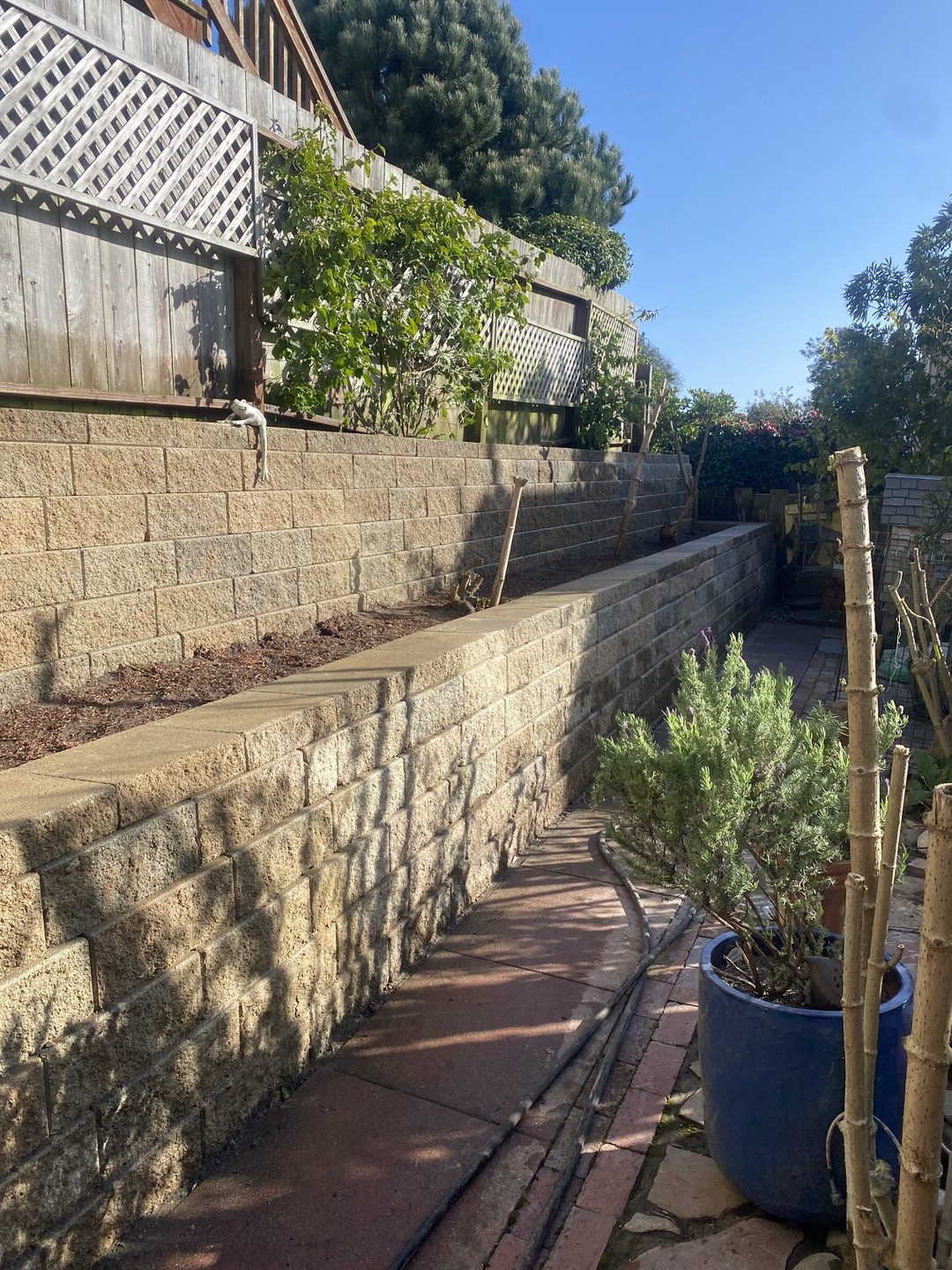
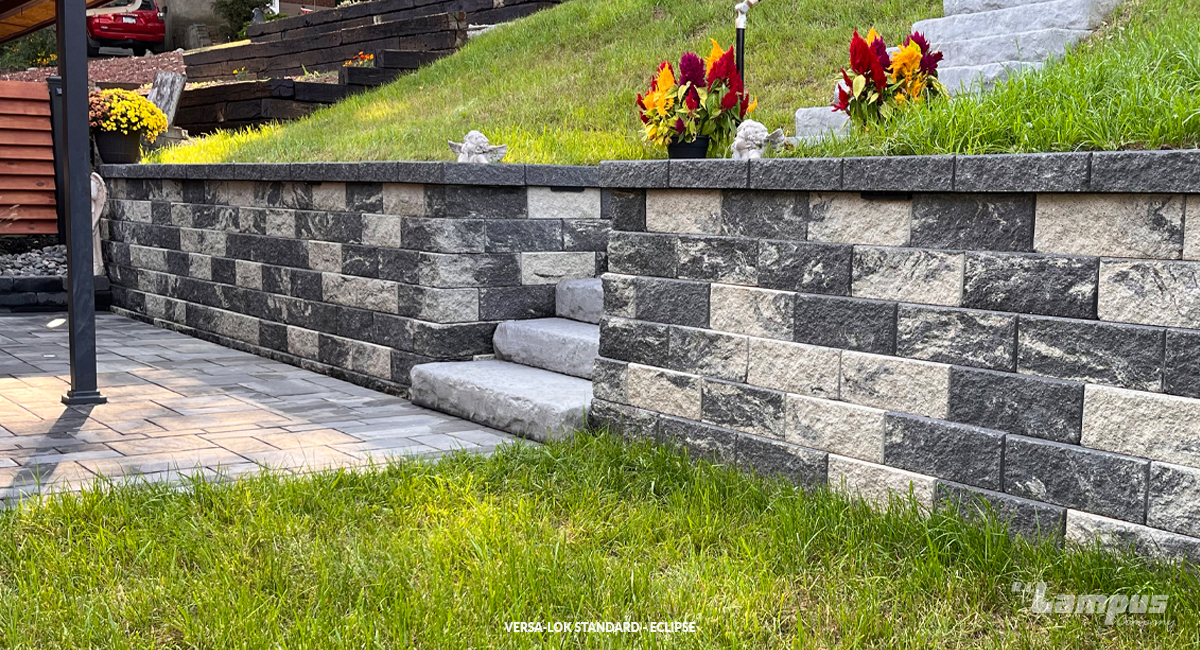
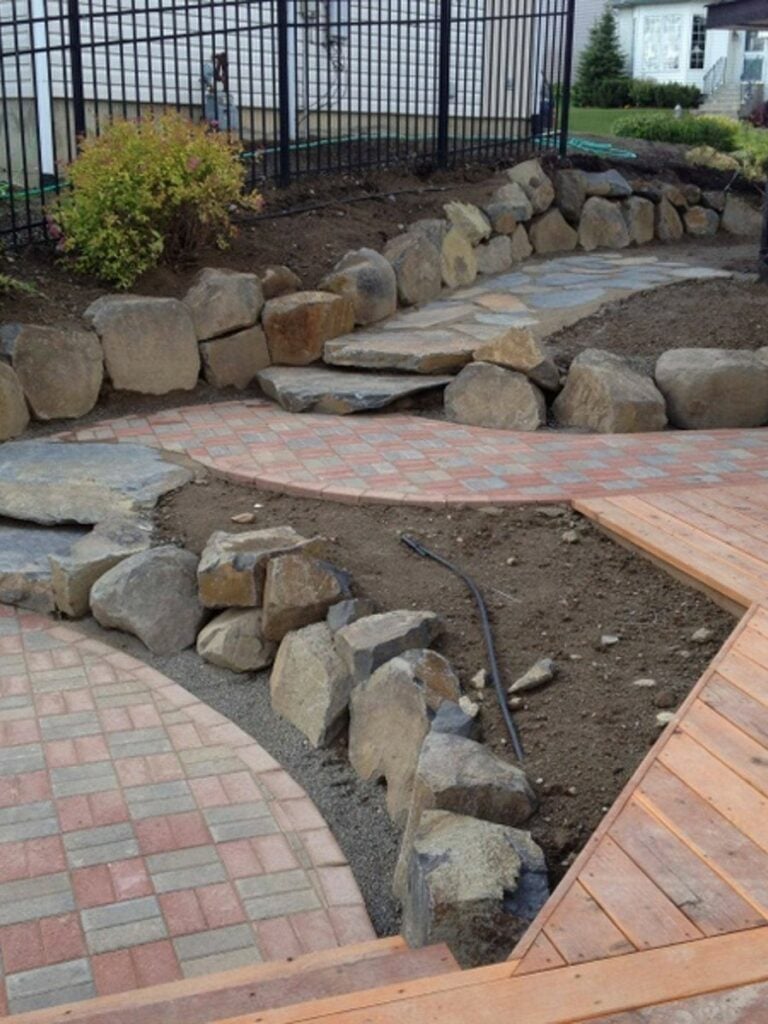
Reference photos of both wall systems — the kind of finished work we build using these same methods and materials.
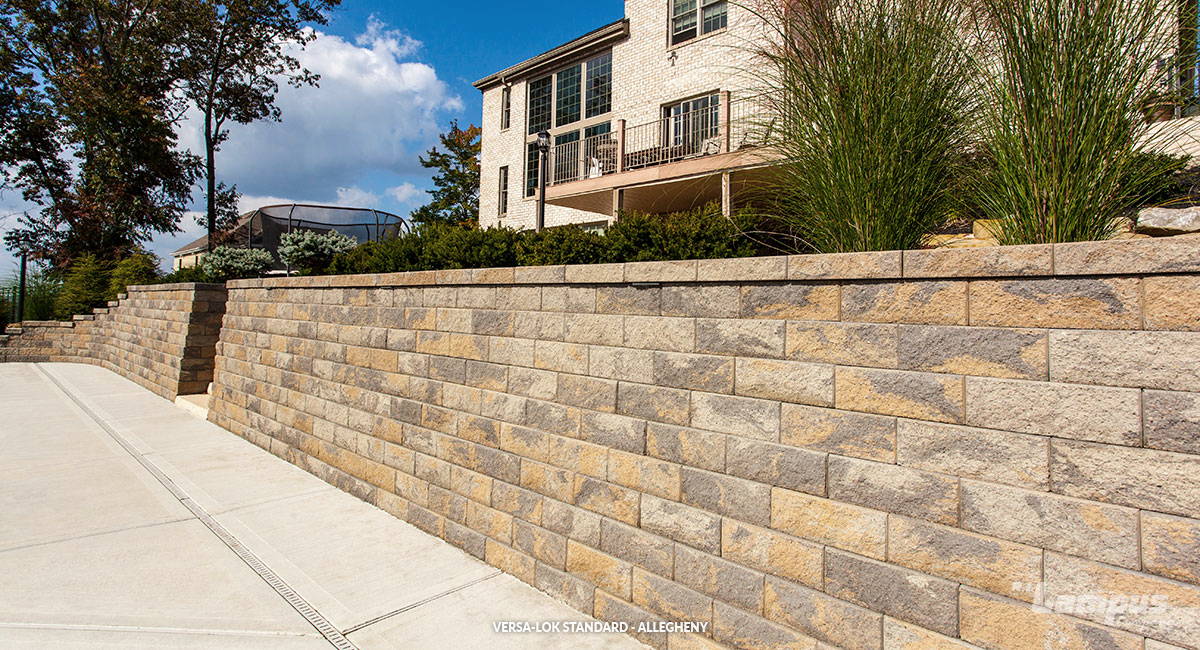
Novum Block Wall
Benton Block — Installed
Redi-Rock — Tiered System
Rosetta Grand Ledge
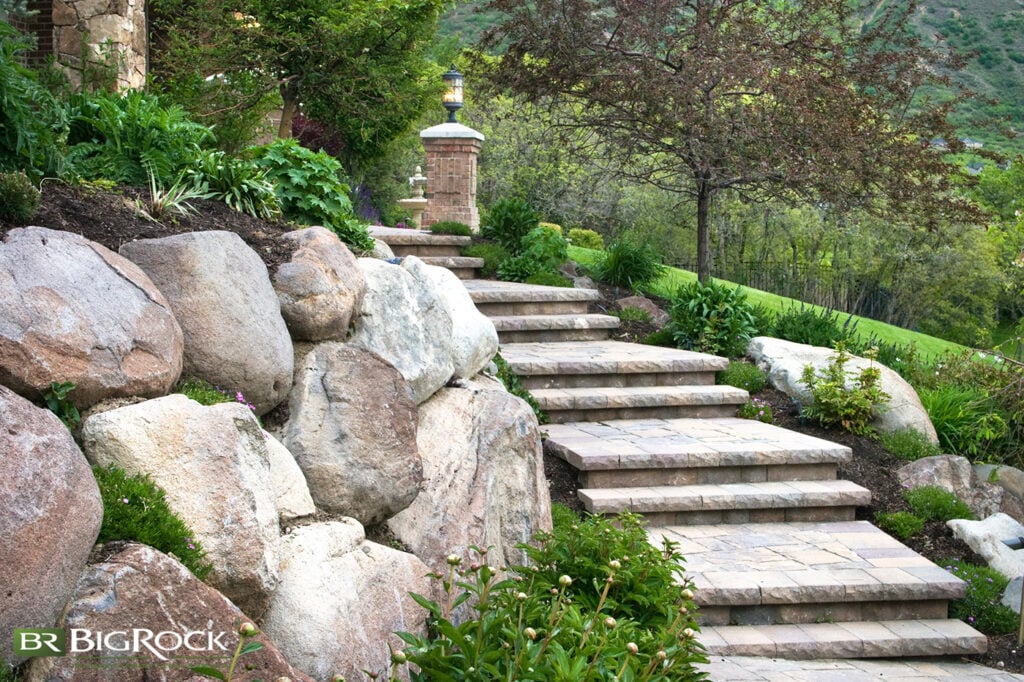
Boulder Wall — Hillside Retention
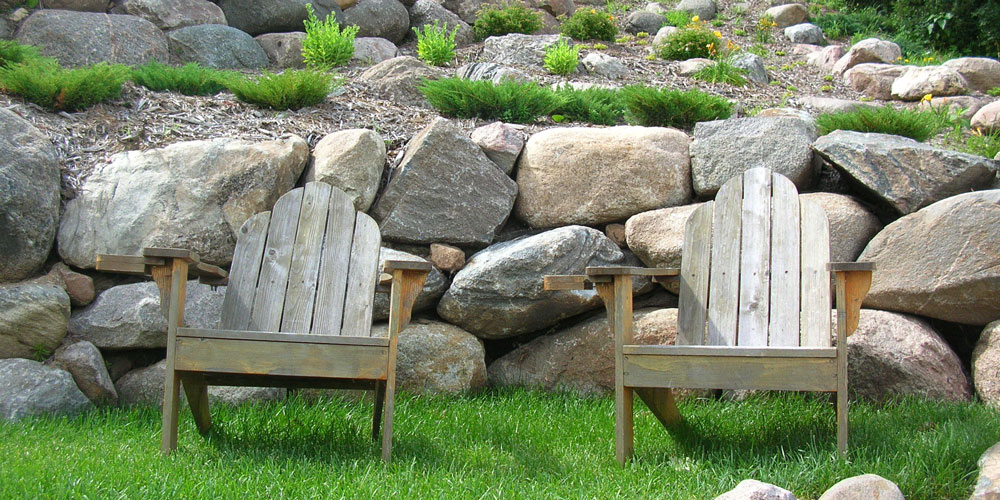
Boulder Wall — Installed
Boulder Wall — Natural Stone
Boulder Wall — Large Scale
Questions
It depends on the application, setting, and budget. Segmental block systems (Novum, Benton Block, Redi-Rock) give a precise, uniform look that fits well next to houses and driveways. Rosetta Kodah and Grand Ledge add a high-end stone aesthetic for front-yard or decorative applications. Boulder walls have raw natural mass and a rugged look — they're right at home in wooded or rural settings and can handle large-scale retention. All systems get proper drainage and a solid base. We'll walk the property and recommend the best fit for your specific situation.
Water pressure behind a wall is what destroys it. When water saturates the soil behind a wall, it creates hydrostatic pressure that pushes the wall forward, causes bowing, and eventually leads to failure. The French drain intercepts water before it saturates the soil — the pipe collects it and routes it to a discharge point at grade. Combined with #57 stone backfill (which water moves through freely), this keeps pressure behind the wall at zero even during heavy rain.
Most segmental block systems — including Novum, Benton Block, and Redi-Rock — have published maximum unreinforced heights under ideal conditions (typically 3–4 feet). In real-world conditions with slopes, clay soil, or loading above the wall, that limit can be lower. Walls over 4 feet typically require geogrid reinforcement and an engineering plan stamped by a licensed P.E. We'll identify what your wall needs during the estimate walkthrough.
Not at this time. We build gravity-based segmental block walls (Novum, Benton Block, Redi-Rock), Rosetta decorative stone systems (Kodah, Grand Ledge), and natural boulder walls. For most residential needs, these systems perform excellently. If your project requires a poured concrete stem wall with rebar, we'll tell you straight and help you find the right contractor. We'd rather send you to the right person than take a job we're not the best fit for.
Absolutely — and we recommend it. After backfilling behind the wall, the disturbed native soil above is perfect for hydroseeding. We'll finish grade the area behind the wall, prep the seedbed, apply liquid lime, and hydroseed. Established grass above a retaining wall dramatically reduces surface runoff over the wall cap and eliminates erosion of the newly backfilled area. It's a natural combination we do frequently.
#57 stone is clean, angular crushed limestone or granite — roughly ¾-inch to 1-inch diameter, with no fines. Its angular shape means the pieces lock together under load while still allowing water to pass through freely. Unlike round pea gravel (which rolls and shifts), #57 stone compacts to a stable mass and maintains its void space over time. Using it as the drainage zone directly behind a retaining wall means water percolates straight through to the drain pipe instead of saturating clay or silt that could clog the system.